







24/7 storm & emergency response

Veteran Owned & Operated · Houma, Louisiana 985-688-4041
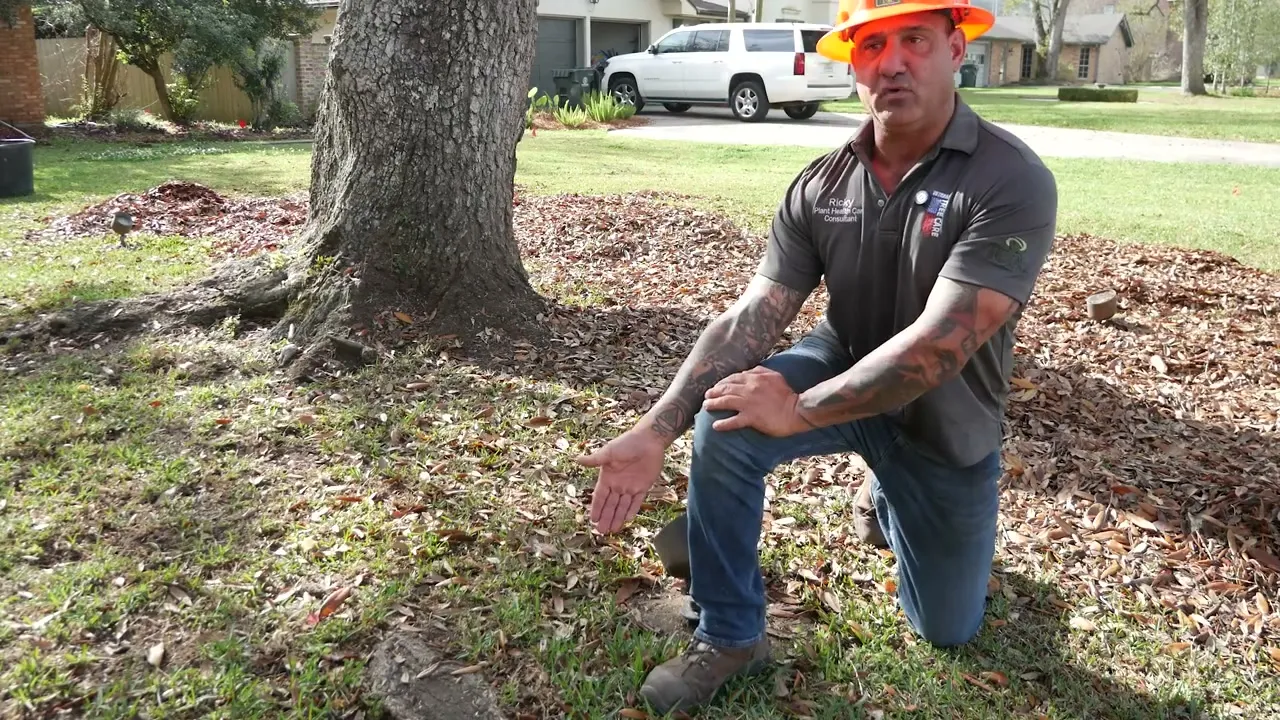
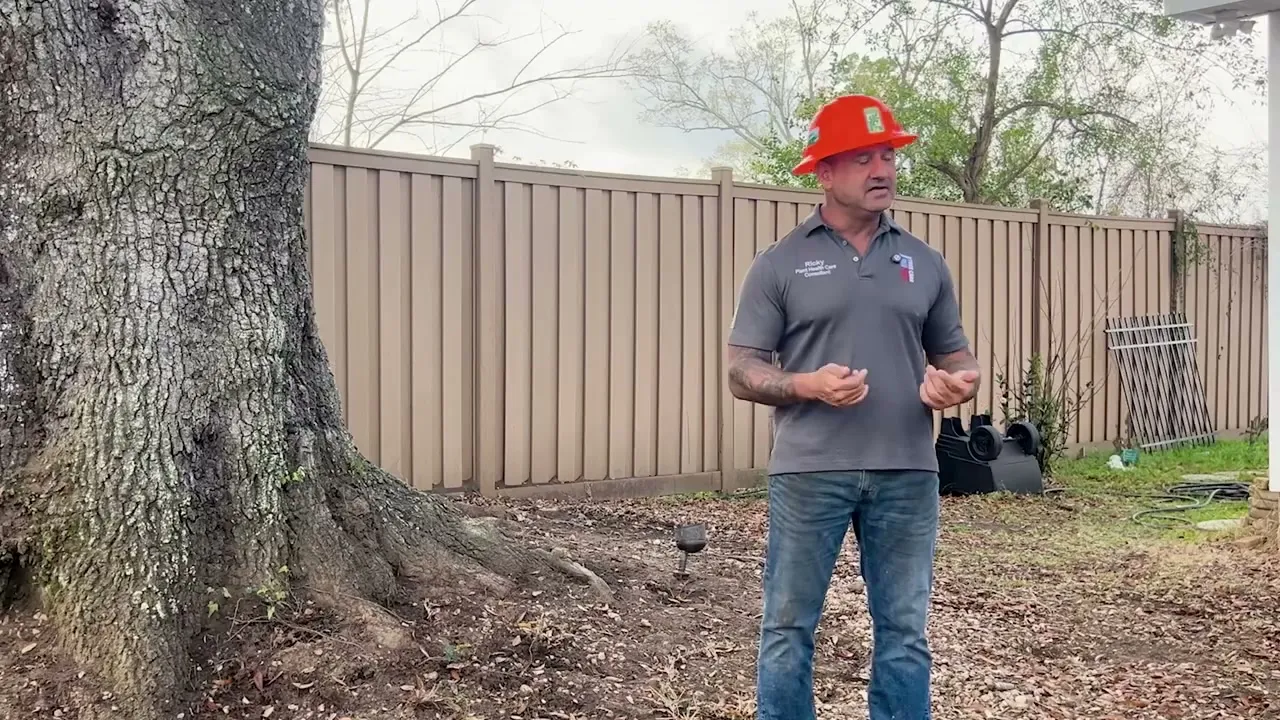
Arborist working in the root zone of a mature live oak

Tree Preservation & Plant Health

Tree Preservation in Houma & South Louisiana

Not every tree needs to come down. We use structural work, soil and root-zone improvement and long-term monitoring to keep valuable mature trees safe and healthy.

U.S. Army Veteran badge Veterans Veteran Owned / Veteran Led
Air-spaded root flare of a mature live oak
Air-spade root-collar inspection · Houma

Our approach

Preservation Before Removal.

Many trees that look like a lost cause can be kept safely. Preservation starts with an honest assessment of the tree’s structure, roots, soil and surroundings, followed by a plan that addresses the actual cause of the problem.

When a tree can’t be kept safely, we’ll tell you. When it can, we’ll show you what it takes.

What’s included

Tools for Keeping a Tree.

Every preservation plan is built for the specific tree and site.

  • Cabling & bracing

    Supplemental support for heavy limbs and weak unions, installed to ANSI A300 support-system standards.

  • Air-spade work

    Compressed air removes soil around roots without damaging them, for inspection, girdling-root correction and decompaction.

  • Radial trenching

    Narrow trenches radiating from the trunk, backfilled with amended soil, to relieve compaction in the root zone.

  • Soil remediation

    Decompaction, organic amendments, biochar and mycorrhizae to rebuild the soil a tree depends on.

  • Transplanting

    Moving suitable trees rather than losing them to construction.

  • Mature-tree preservation plans

    A written, phased plan with monitoring visits for high-value and historic trees.

Removal when necessary. Preservation whenever possible.

How it works

How Preservation Works.

  1. 01

    Assess

    An arborist evaluates structure, roots, soil, decay and targets, and tells you honestly whether the tree can be kept.

  2. 02

    Plan

    You get clear recommendations for support, soil and root work, pruning and monitoring, with costs explained up front.

  3. 03

    Preserve & monitor

    We do the work, then come back to measure the response and adjust over time.

Know the signs

Signs a Tree May Need Preservation Work.

What you’re seeingWhat it can meanWhere we’d start
Soil or mulch piled against the trunkHides the root flare, holds moisture against bark and can conceal girdling roots.Air-spade root-collar excavation and inspection.
Thinning canopy or dieback on an older treeOften compacted soil, root loss or old construction damage.Soil and root-zone evaluation.
A heavy limb with a split or V-shaped unionA structural weakness that storms will test.Risk assessment, then cabling, bracing or reduction pruning.
Construction planned near a mature treeRoot damage may not show symptoms for several years.A tree-protection plan before work starts.

General guidance only. A qualified arborist confirms the cause and the right course of action on site.

Qualified to do it right

The Credentials Behind This Work

ISA Board Certified Master Arborist ISA Certified Arborist ISA Qualifications
How to verify our credentials
  • ISA Board Certified Master Arborist®The highest credential awarded by the International Society of Arboriculture.
  • TCIA Plant Health Care TechnicianTraining in diagnosing and treating tree health and soil problems.
  • ANSI A300 standardsSoil management, root management and support-system standards for tree care.
  • Louisiana Licensed ArboristLicensed by the Louisiana Department of Agriculture & Forestry.

From the field

Case Study.

The problem, the assessment, the reasoning, and the work.

Arborist explaining an air-spaded root flare at the base of a live oak
Historic Live Oak Preservation

200-year-old live oaks for a veteran homeowner

Problem
Soil and mulch built up against the trunks, landscaping crowding the root zone, and years of compaction.
Assessment
Air-spade excavation showed healthy structural roots, plus two girdling roots that would tighten as the trees grew.
Reasoning
Live oaks evolved as forest trees. Restoring forest-floor soil conditions does more for them than repeated fertilizer.
Work performed
Removed the girdling roots, decompacted the drip line, injected the soil and laid whole-tree arborist chips.
Result
Root flares exposed and protected, with a soil program in place and re-inspection scheduled.
Methodology
Air-spade root-collar excavation · ANSI A300 soil and root management

Watch the video

As Featured In

FAQ

Questions.

Can’t find your answer? Call 985-688-4041 or see all FAQs.

Can you save a tree another company wants to remove?

Sometimes. Many trees written off at a glance can be kept safely with structural pruning, cabling or bracing, soil and root work, or monitoring. Some can’t. An assessment tells you which.

What is cabling and bracing?

Cabling and bracing add supplemental support to weak unions and heavy limbs, which lowers the chance of failure while keeping the tree.

How long does preservation take?

Some work is done in a day. Soil and root programs usually include follow-up visits over months and years, because trees respond slowly.

Get started

Preserving Trees. Protecting Properties. Continuing the Mission.