
Tree Risk & Consulting
Tree Risk Assessment & Arborist Consulting
A clear, professional opinion before an expensive or irreversible decision: whether a tree is safe, what it’s worth, and what a project will do to it.
-
 ISA
Board Certified Master Arborist
ISA
Board Certified Master Arborist
-
 ISA
Tree Risk Assessment Qualified
ISA
Tree Risk Assessment Qualified
-
 ISA
Certified Arborist
ISA
Certified Arborist
-
 State of Louisiana
Licensed Arborist
State of Louisiana
Licensed Arborist
-
 TCIA
Certified Tree Care Safety Professional
TCIA
Certified Tree Care Safety Professional
-
 TCIA
Plant Health Care Technician
TCIA
Plant Health Care Technician
-
 TCIA
Electrical Hazards Awareness
TCIA
Electrical Hazards Awareness
-
 Florida Chapter ISA
Prescription Pruning Qualified
Florida Chapter ISA
Prescription Pruning Qualified
-
 BBB
A+ Accredited Business
BBB
A+ Accredited Business
 Veterans
Veteran Owned / Veteran Led
Veterans
Veteran Owned / Veteran Led
Why get an assessment
Know Before You Cut.
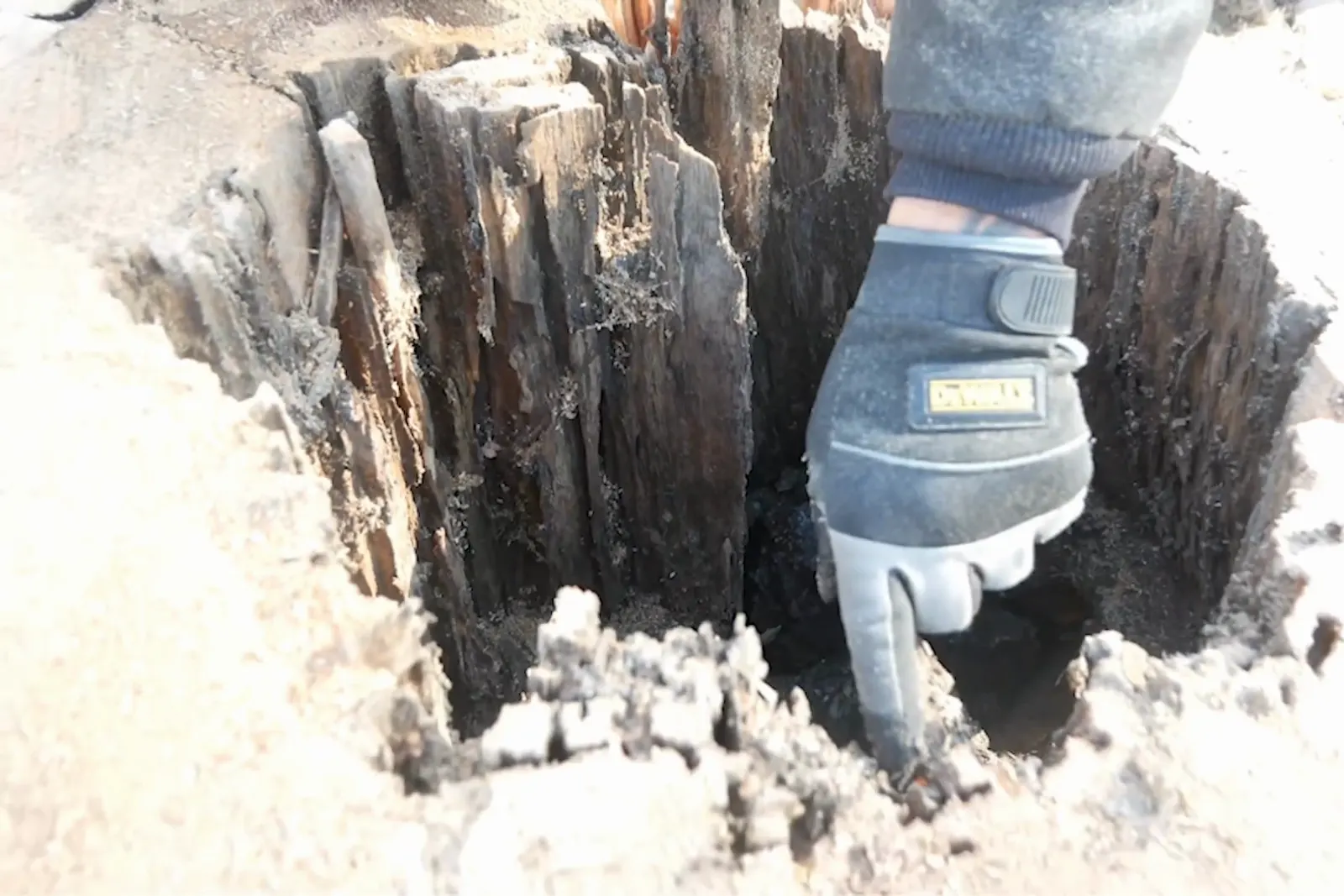
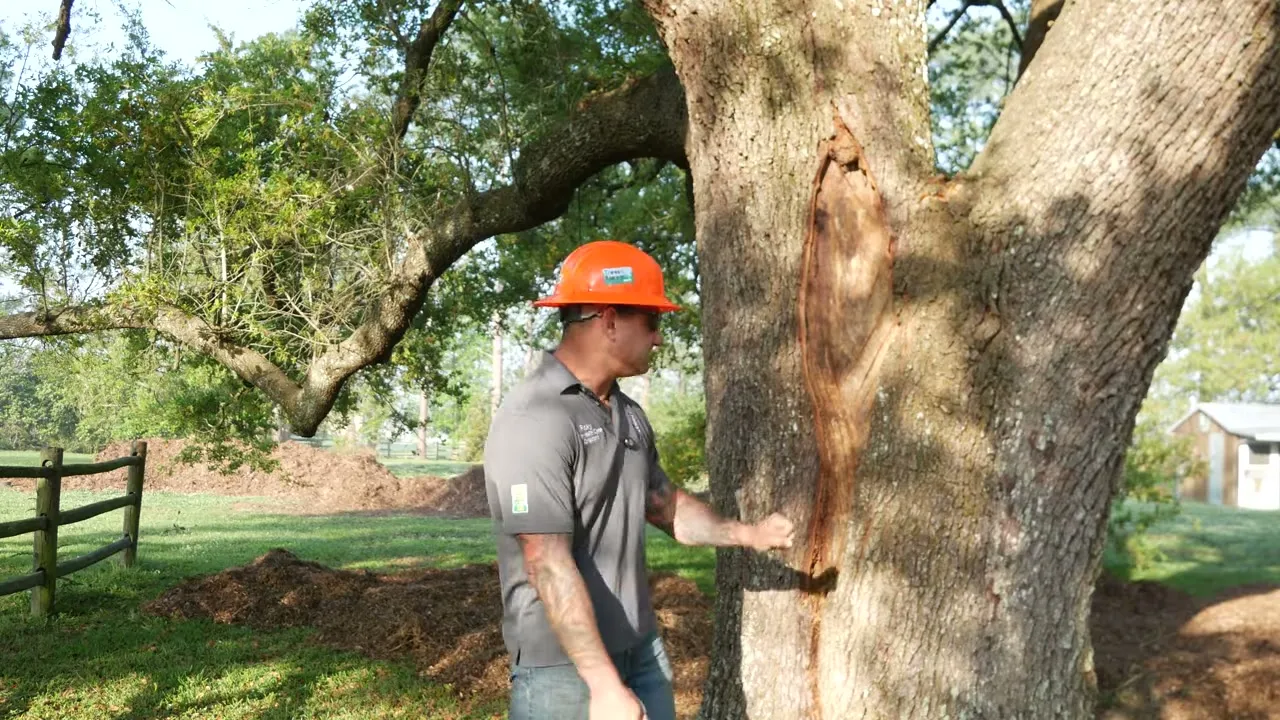
A tree that looks dangerous may be sound, and a tree that looks fine can hide decay. A professional risk assessment weighs the likelihood of failure, what the tree could hit, and how serious the consequences would be.
You get a recommendation you can act on, whether that means preservation, mitigation or removal.
What’s included
Consulting Services.
For homeowners, property managers, contractors, insurers and municipalities.
Level 1, 2 & 3 risk assessment
From a limited visual check to a detailed inspection to advanced testing of decay or roots, matched to the situation.
Structural assessment
Unions, lean, cracks, cavities, end weight and past pruning.
Root-system evaluation
Root-collar inspection, girdling roots, root loss and soil conditions.
Decay & cavity inspection
How much sound wood remains, and what that means for safety.
Tree appraisal
Valuation for insurance, damage and legal questions.
Construction-impact mitigation
Tree-protection planning before trenching, grading or paving.
How it works
How a Consultation Works.
- 01
Schedule
Tell us about the tree, the site and your concern: safety, a sale, construction, an insurance claim or a neighbor dispute.
- 02
Assess on site
An arborist inspects the tree and its surroundings using the level of assessment the question requires.
- 03
Get recommendations
You receive clear findings and options: preserve, mitigate, monitor or remove.
Know the signs
When to Call for an Assessment.
| What you’re seeing | What it can mean | Where we’d start |
|---|---|---|
| Mushrooms, cavities or oozing near the base | Possible decay in the trunk or structural roots. | Level 2 or Level 3 tree risk assessment. |
| A large tree leaning more than it used to | Root failure or soil movement. | Root and soil evaluation. |
| Buying or selling a property with mature trees | Hidden risk or value. | Health and risk inspection. |
| A neighbor’s tree over your home | Uncertain risk and responsibility. | Documented assessment. |
General guidance only. A qualified arborist confirms the cause and the right course of action on site.
- ISA Tree Risk Assessment QualificationTraining in the ISA method for Level 1, 2 and 3 tree risk assessment.
- ISA Board Certified Master Arborist®The ISA’s highest credential, covering diagnosis, risk and management.
- Tree & Plant Appraisal trainingFor insurance, construction-damage and valuation questions.
- Louisiana Licensed ArboristLicensed by the Louisiana Department of Agriculture & Forestry.
As Featured In










What is a tree risk assessment?
A structured evaluation of how likely a tree, or part of it, is to fail, what it would hit and how serious that would be, following the ISA Tree Risk Assessment method.
What’s the difference between Level 1, 2 and 3?
Level 1 is a limited visual assessment, Level 2 is a detailed ground-based inspection, and Level 3 uses advanced methods to examine decay, roots or the upper canopy.
Is an assessment the same as a free estimate?
No. Estimates for tree work are free. A formal consultation or written assessment is a professional service, and we’ll explain the scope and cost before booking.
Keep exploring
Related Services
Get started
Preserving Trees. Protecting Properties. Continuing the Mission.
-
Residential tree work
Pruning, removal, stump grinding and storm cleanup.
Request a free estimate -
Advanced arboriculture
Historic trees, risk assessments, legal or insurance questions, construction planning and commercial work.
Schedule an arborist consultation -
Emergencies
Trees on homes, cars, roads or lines. 24/7.
Call now -
Veterans
Structure, camaraderie, purpose and a path to leadership.
Continue your mission with us