







24/7 storm & emergency response

Veteran Owned & Operated · Houma, Louisiana 985-688-4041
Spreading canopy of a mature live oak in Houma

Live Oak Preservation

Preserving Louisiana’s Living History.

Centuries-old live oaks are part of Louisiana’s cultural and natural heritage. Caring for them takes specialized knowledge of structure, roots, soil, construction impact, disease, storm stress and pruning.

U.S. Army Veteran badge Veterans Veteran Owned / Veteran Led
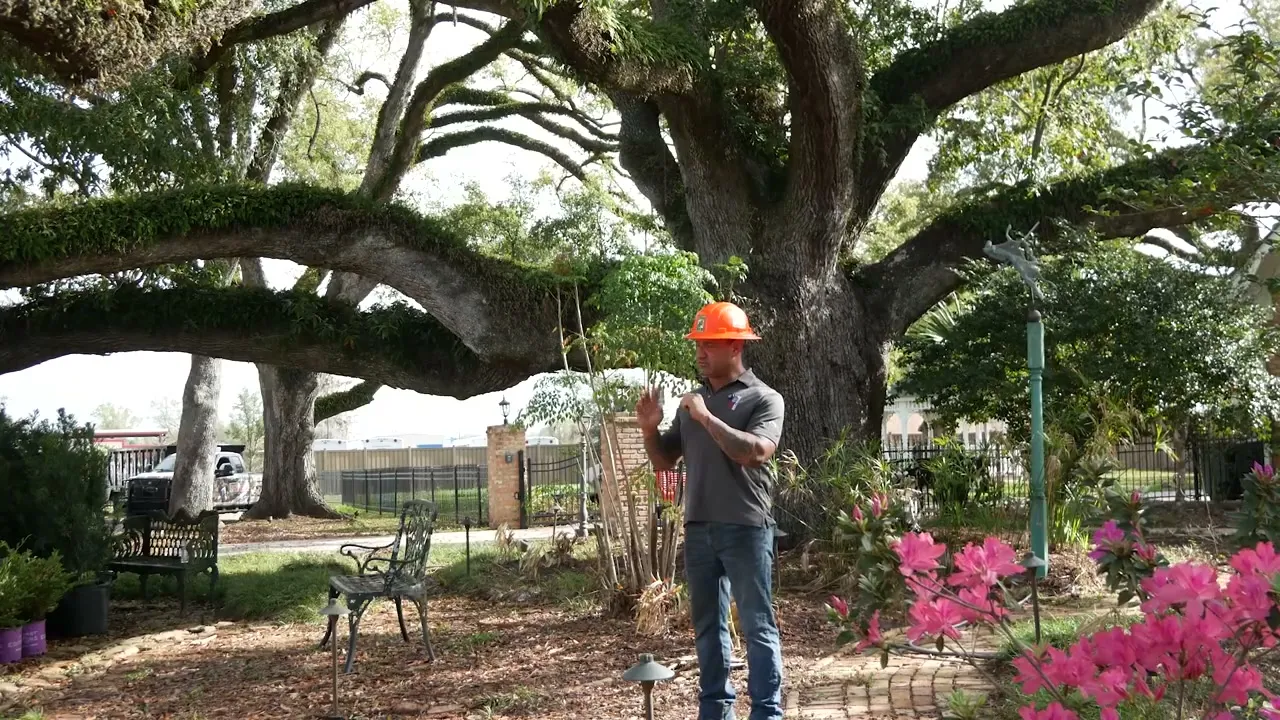
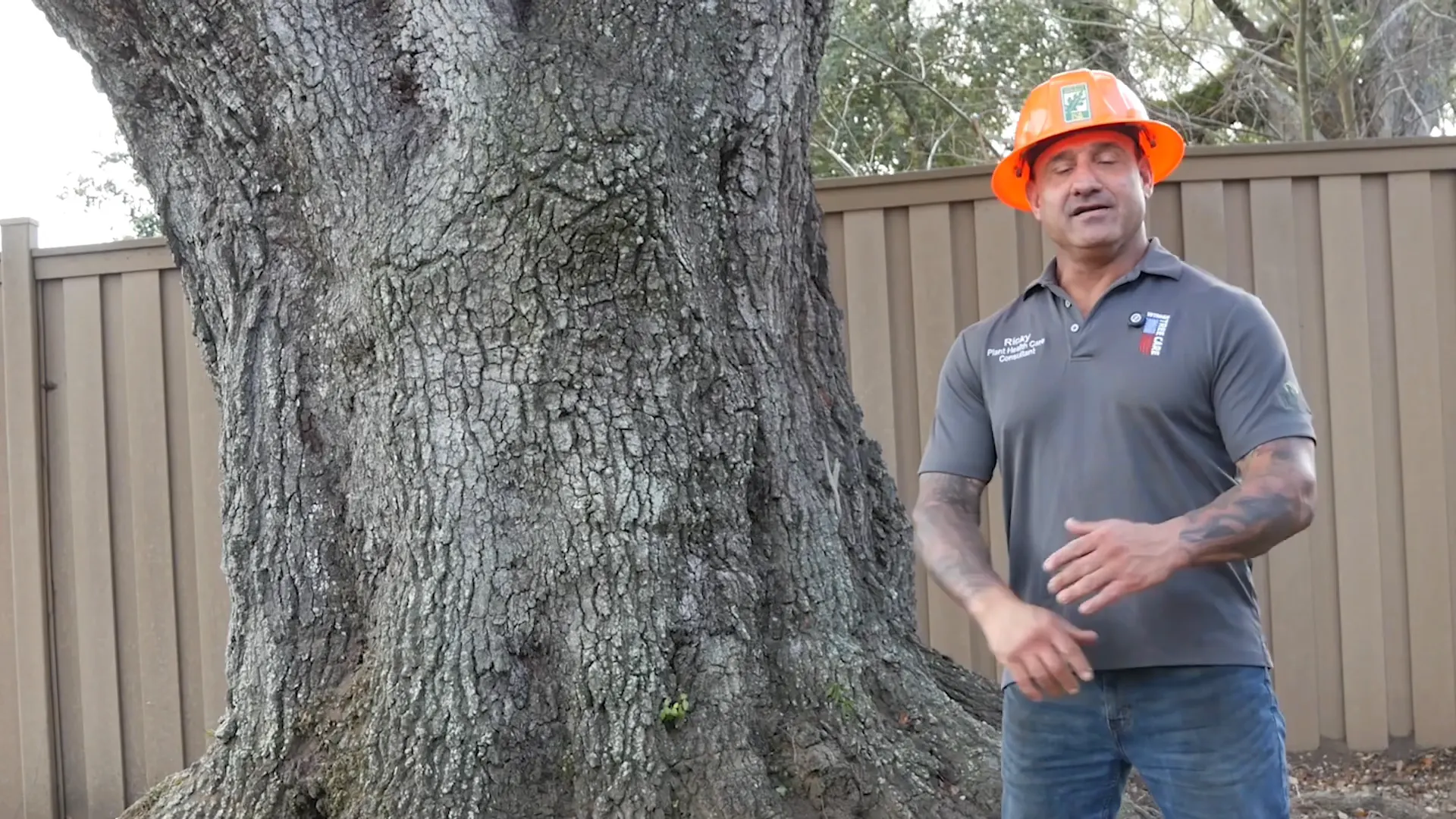
Ricky Folse beside the trunk of a massive live oak
Ricky Folse, Loving Live Oaks

Our specialty

If a Tree Is in Stress, Treat the Soil.

Live oaks evolved as forest trees, rooted in leaf litter, fungi and loose, living soil. Around homes they get turf, piled mulch, compaction, trenching and poor pruning instead.

Our approach restores the conditions the tree evolved in, corrects problems at the root collar, and protects structure for the next hurricane season.

What’s included

How We Care for an Old Oak.

  • Diagnose before treating

    Separate the primary cause, such as lightning, compaction or root loss, from the pests that follow.

  • Uncover the root flare

    Air-spade excavation removes built-up soil and mulch without damaging roots.

  • Correct girdling roots

    Roots circling the trunk act like a slow tourniquet and can be removed.

  • Relieve compaction

    Decompaction along the drip line reopens pore space for water, air and roots.

  • Rebuild soil biology

    Ecto-mycorrhizae, humates and charged biochar, with follow-up applications.

  • Restore the forest floor

    Whole-tree arborist chips kept off the trunk, instead of turf and bagged mulch.

How it works

A Live Oak Preservation Plan.

  1. 01

    Assess

    Structure, root flare, soil, canopy and site history.

  2. 02

    Restore

    Root-collar work, soil remediation, pruning and support where needed.

  3. 03

    Monitor

    Old trees respond slowly, so we measure, adjust and maintain for years.

Know the signs

Common Mistakes That Hurt Live Oaks.

What you’re seeingWhat it can meanWhere we’d start
Mulch volcanoes piled against the trunkMoisture against bark, an entry point for decay and insects.Air-spade excavation and a proper chip ring.
Turf grass up to the trunkCompetes with the tree for water and nutrients, and invites mower wounds on roots.Replace turf with arborist chips.
Planting beds tight around the baseEncourages girdling and shallow root patterns.Root-collar inspection.
Parking or foot traffic under the canopyCompacted soil starves feeder roots.Decompaction and protection.

General guidance only. A qualified arborist confirms the cause and the right course of action on site.

Qualified to do it right

The Credentials Behind This Work

ISA Board Certified Master Arborist ISA Certified Arborist ISA Qualifications
How to verify our credentials
  • ISA Board Certified Master Arborist®The highest credential awarded by the International Society of Arboriculture.
  • TCIA Plant Health Care TechnicianTraining in diagnosing and treating tree health and soil problems.
  • ANSI A300 standardsSoil management, root management and support-system standards for tree care.
  • Louisiana Licensed ArboristLicensed by the Louisiana Department of Agriculture & Forestry.

From the field

Case Study.

The problem, the assessment, the reasoning, and the work.

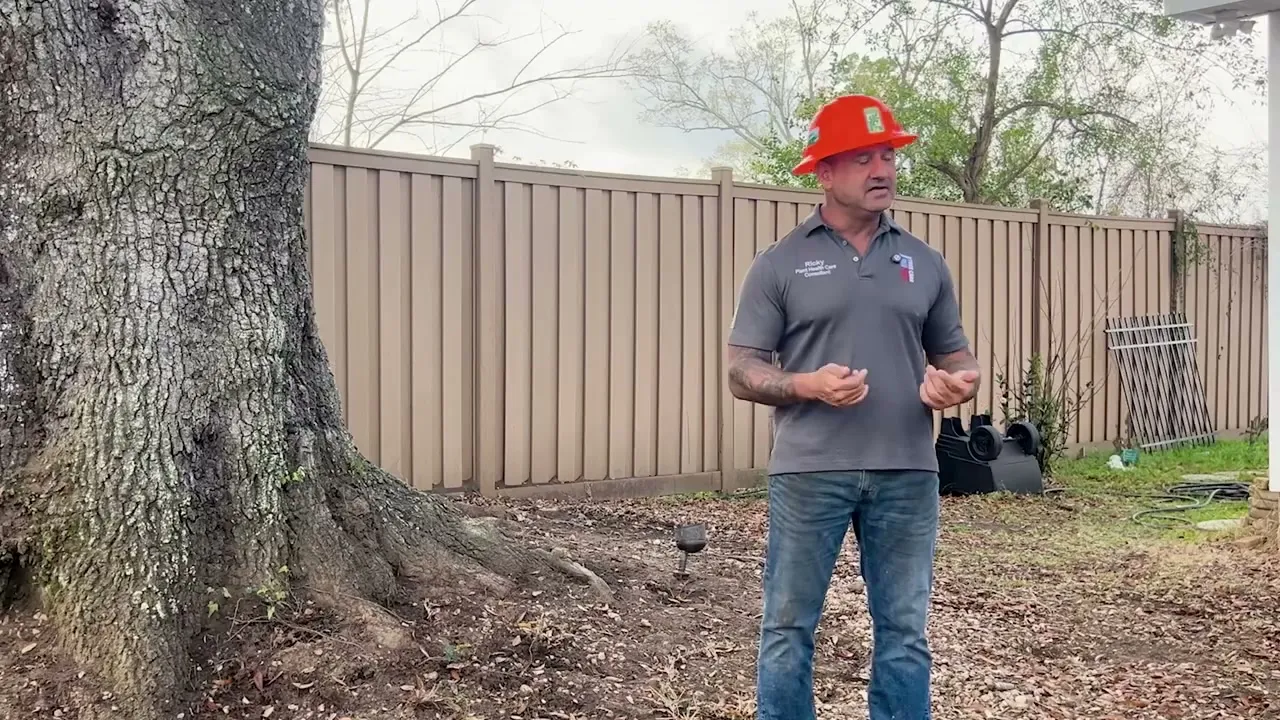
Arborist explaining an air-spaded root flare at the base of a live oak
Historic Live Oak Preservation

200-year-old live oaks for a veteran homeowner

Problem
Soil and mulch built up against the trunks, landscaping crowding the root zone, and years of compaction.
Assessment
Air-spade excavation showed healthy structural roots, plus two girdling roots that would tighten as the trees grew.
Reasoning
Live oaks evolved as forest trees. Restoring forest-floor soil conditions does more for them than repeated fertilizer.
Work performed
Removed the girdling roots, decompacted the drip line, injected the soil and laid whole-tree arborist chips.
Result
Root flares exposed and protected, with a soil program in place and re-inspection scheduled.
Methodology
Air-spade root-collar excavation · ANSI A300 soil and root management
Watch the video
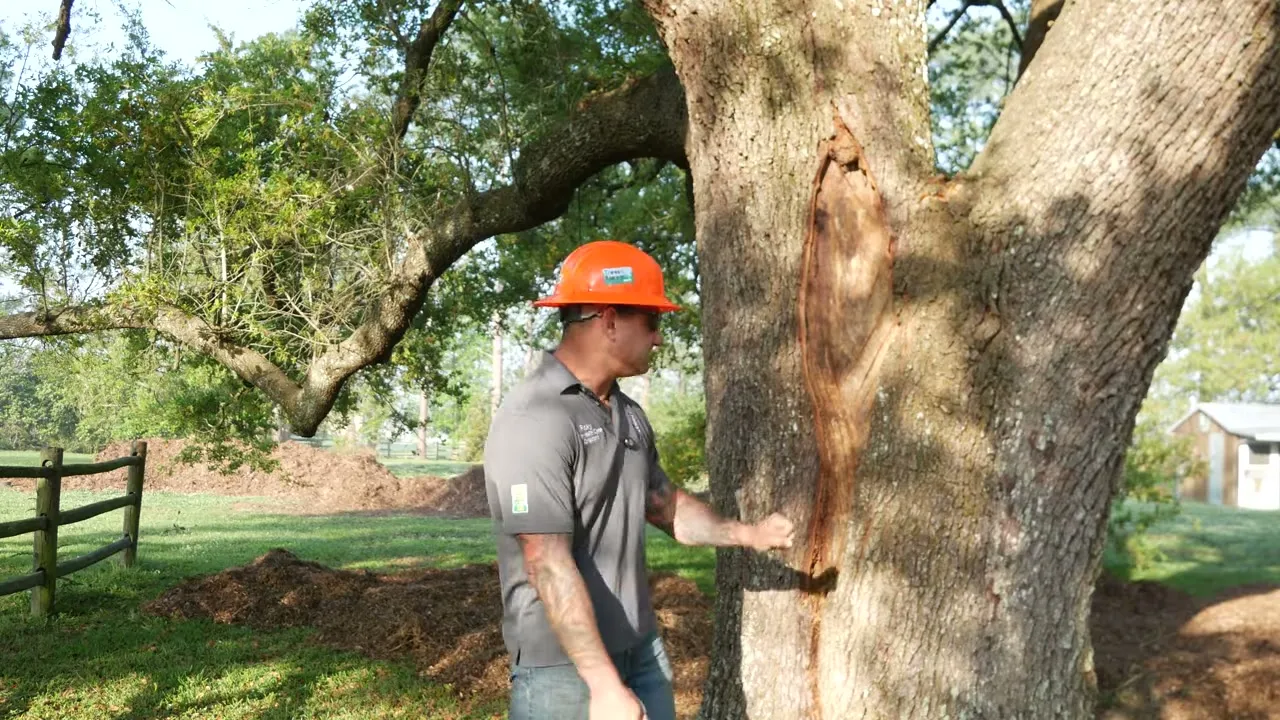
Arborist examining a long strip of dead bark on a lightning-struck live oak
Plant Health Recovery

A lightning-struck live oak

Problem
Bark separating from the trunk in several places, with sawdust-like frass from wood-boring insects.
Assessment
Heat from lightning had killed sections of the cambium. The insects were secondary and arrived because the tree was stressed.
Reasoning
Pesticides can’t reach borers once they’re past the cambium. The answer is to rebuild the tree’s own defenses and let it compartmentalize the damage.
Work performed
Traced dead bark back to live tissue, injected mycorrhizae, humates and biochar with nitrogen held back, and laid 6" of arborist chips.
Result
Wound edges cleaned for closure, with a 30- and 60-day treatment schedule and ongoing monitoring.
Methodology
Plant health care · Compartmentalization of Decay in Trees (CODIT)
Watch the video

As Featured In

FAQ

Questions.

Can’t find your answer? Call 985-688-4041 or see all FAQs.

When can a mature live oak be saved?

When its structure is sound or can be supported, enough healthy roots remain, and the stress causing decline can be corrected. Read the full guide.

Is lightning damage a death sentence for a live oak?

Not always. Many struck oaks recover if the damage is limited and the tree’s vigor is rebuilt through soil and root care.

Should I fertilize my live oak?

Often the best “fertilizer” is leaf litter and arborist chips left in place. Targeted soil treatments are used when a diagnosis calls for them.

Get started

Preserving Trees. Protecting Properties. Continuing the Mission.